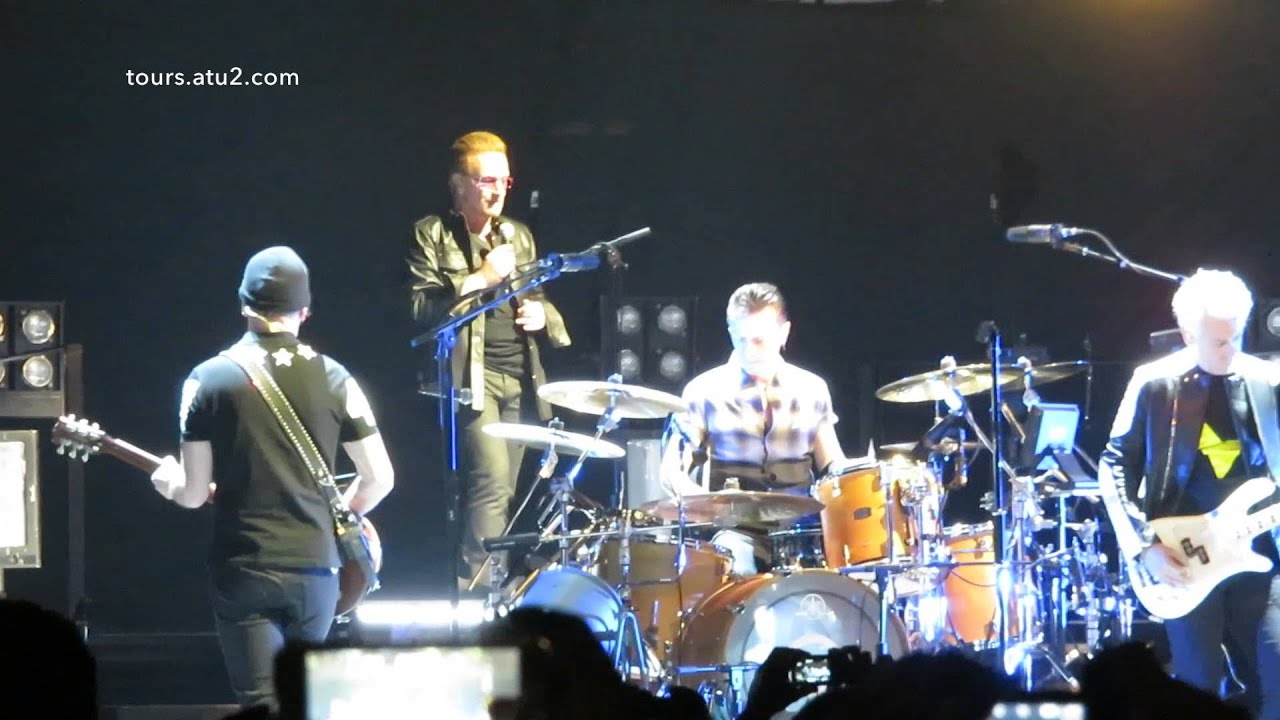
One of the best live performances of Mothers of the disappeared. Now, especially for the people in Latin America, stay strong!
Music has long been a profound vehicle for social change, collective memory, and emotional expression. Among the most moving performances in recent history is the live rendition of “Mothers of the Disappeared,” a song that encapsulates the pain, resilience, and unwavering hope of those who have suffered tragic losses, particularly in Latin America. This article explores the significance of this performance, the story behind the song, the powerful emotions it evokes, and a message of strength for the people of Latin America.
—
**The Context of “Mothers of the Disappeared”**
The phrase “Mothers of the Disappeared” refers to the courageous women who have endured unimaginable suffering due to forced disappearances, especially during periods of political repression in Latin American countries such as Argentina, Chile, Guatemala, and others. These women, often mothers, wives, and daughters, became symbols of resistance, demanding justice and truth for their loved ones.
During the 1970s and 1980s, many Latin American regimes engaged in brutal campaigns of repression, kidnapping individuals suspected of opposing the government, and vanishing them without a trace. The families of the disappeared faced immense grief, uncertainty, and social marginalization. Yet, they persisted, forming organizations like the Mothers of the Plaza de Mayo in Argentina, which became a beacon of hope and resilience.
—
**The Song as a Symbol of Resistance**
The song “Mothers of the Disappeared”—originally performed by musicians sympathetic to their cause—serves as an anthem of remembrance and defiance. Its lyrics evoke the pain of loss while simultaneously affirming the enduring strength of those who refuse to be silenced. The song captures the collective trauma of a generation but also embodies their unwavering commitment to justice.
Over the years, artists across Latin America and the world have performed and reinterpreted this song, each rendition adding layers of emotional depth. The live performances, in particular, have been notable for their raw intensity, communal spirit, and capacity to move audiences deeply.
—
**The Power of Live Performance**
Live performances of “Mothers of the Disappeared” have often been moments of collective mourning, protest, and solidarity. They serve as powerful reminders of past atrocities and as calls to action for present and future generations. Among these, certain performances stand out for their emotional impact, musical mastery, and symbolic significance.
One such performance, which is widely regarded as one of the most compelling, took place during a major human rights concert held in Latin America. The atmosphere was charged with emotion, as survivors, family members, activists, and musicians united on stage to honor the memory of the disappeared and reaffirm their commitment to justice.
The live rendition was characterized by:
– **Raw Emotional Expression:** Singers and performers poured their hearts into the song, their voices trembling with grief and defiance.
– **Symbolic Visuals:** The stage was often adorned with photographs of the disappeared, candles, and banners demanding justice.
– **Audience Engagement:** The crowd responded with chants, tears, and applause, creating a shared space of mourning and hope.
– **Musical Intensity:** The arrangement combined soulful vocals, poignant instrumentation, and sometimes, traditional Latin American musical elements to deepen the emotional resonance.
—
**A Deep Dive into the Performance**
This particular performance, held in a historic square in a Latin American city, was more than just a concert; it was a collective act of remembrance and resistance. The performers, many of whom had personal or familial connections to the disappeared, sang with visceral honesty.
The lead singer, a renowned Latin American artist known for their activism, delivered the lyrics with a passion that transcended words. Their voice conveyed grief, anger, and hope in equal measure. The chorus echoed through the crowd, a chorus of voices that refused to forget.
The stage lighting was subdued, with flickering candles casting a warm glow, symbolizing remembrance and the light of hope in darkness. Photographs of the disappeared were projected onto a backdrop, creating a visual narrative that humanized the abstract concept of loss.
The performance culminated in a moment of silence, followed by a collective chant of “¡Justicia!” (“Justice!”), reverberating through the square. It was a powerful reminder that the fight for truth and accountability continues.
—
**The Impact of the Performance**
This live rendition of “Mothers of the Disappeared” resonated deeply with audiences both present and watching through media coverage. It reignited conversations about human rights abuses, impunity, and the ongoing struggle for justice in Latin America.
For many survivors and families of the disappeared, it provided a sense of validation and solidarity. For younger generations, it served as an educational moment—an emotional lesson on the importance of remembering history to prevent its repetition.
The performance also drew international attention, inspiring solidarity campaigns across the globe. It underscored that the wounds inflicted during times of repression are not confined by borders and that the fight for justice is a shared human endeavor.
—
**Lessons from the Past and Hope for the Future**
The story of the Mothers of the Disappeared and their performances is a testament to resilience. Despite facing unimaginable trauma, these women transformed their grief into activism, demanding accountability and human dignity.
Their courage reminds us that silence is complicity, and that speaking out—whether through song, protest, or storytelling—is vital to healing and justice. The live performances of “Mothers of the Disappeared” serve as powerful catalysts for awareness and change.
For the people of Latin America, especially in times of hardship, this performance and the stories behind it are a source of strength. They exemplify the enduring spirit of resistance, the importance of memory, and the collective hope for a future where justice prevails.
—
**A Message of Strength for Latin America**
To the people of Latin America, this performance and its message carry profound significance. It’s a reminder that:
– **Your voices matter:** The stories of the disappeared and their families are vital parts of your history and identity.
– **Resilience is your strength:** Despite adversity, your communities have shown incredible resilience and solidarity.
– **Justice is worth fighting for:** The pursuit of truth and accountability is ongoing, and your activism continues to inspire change.
– **Hope remains alive:** Through music, storytelling, and collective action, hope persists for a brighter future.
Remember that every act of remembrance keeps the flame of justice burning. The struggles of the past are not forgotten, and they fuel the movement toward a more just and humane society.
—
**Conclusion**
The live performance of “Mothers of the Disappeared” stands as one of the most powerful expressions of grief, resilience, and hope in Latin America’s history. It encapsulates the pain endured by countless families and the unwavering determination to seek justice. Through music and collective memory, it continues to inspire generations to stand strong against injustice.
To all in Latin America, especially those who carry the weight of past traumas, stay strong. Your courage, your voice, and your memory are the foundations upon which a just future can be built. Let this performance be a reminder that even in the darkest moments, hope and resilience shine brightest.
—
If you’d like, I can expand further on any specific aspect or include more detailed stories and historical context.