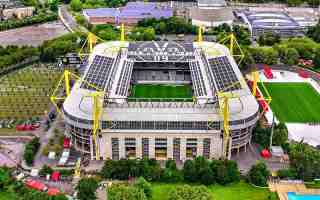
Historic Movement: Signal Iduna Park will undergo a 3.1 billion transformation.
In the world of football, few stadiums evoke as much passion, history, and cultural significance as Signal Iduna Park. Known affectionately as the Westfalenstadion, it is the home of Borussia Dortmund, one of Germany’s most storied and successful football clubs. This iconic arena has witnessed countless historic moments, from thrilling league matches to European campaigns, and has become a symbol of Dortmund’s identity.
Recently, a groundbreaking announcement has captured the attention of fans, sports analysts, urban planners, and stakeholders worldwide: Signal Iduna Park is set to undergo an unprecedented transformation valued at approximately 3.1 billion euros. This ambitious project signifies more than just a renovation; it represents a historic movement towards modernizing one of Europe’s most revered football stadiums, blending tradition with innovation, and fostering economic growth and urban development.
This article explores the multifaceted aspects of this transformation—its background, the reasons behind it, the detailed plans, implications for Borussia Dortmund and the city of Dortmund, and its broader significance within the context of sports infrastructure development.
—
### 1. The Significance of Signal Iduna Park
**Historical Background**
Constructed between 1971 and 1974, Signal Iduna Park has been the spiritual home of Borussia Dortmund for nearly five decades. Known for its electrifying atmosphere, particularly in the Südtribüne (South Stand), which is the largest terrace for standing spectators in Europe, the stadium has a capacity of approximately 81,365 spectators. Its design and structure have evolved over the years, but the core essence remains rooted in tradition.
**Cultural and Social Impact**
Over the decades, the stadium has been more than just a sports venue; it has been a gathering place for fans, a symbol of community pride, and a platform for social cohesion. Borussia Dortmund’s passionate supporter base, known for their unwavering loyalty, has made the Signal Iduna Park a fortress of football culture.
**Economic Contributions**
The stadium significantly contributes to Dortmund’s local economy through matchday revenues, tourism, and related commercial activities. Its presence has spurred local business growth, employment opportunities, and urban vibrancy.
—
### 2. Motivations Behind the Transformation
**Modernization and Competitiveness**
In an era where sports infrastructure is becoming increasingly sophisticated, the need to modernize facilities to meet international standards is critical. The current stadium, while iconic, faces limitations in terms of capacity, amenities, sustainability, and technological integration.
**Enhancing Fan Experience**
The transformation aims to provide fans with state-of-the-art facilities—improved seating, hospitality, retail spaces, and digital amenities—delivering an unparalleled matchday experience.
**Sustainability and Environmental Goals**
Modern stadiums are designed with sustainability at their core, incorporating renewable energy sources, efficient waste management, and eco-friendly materials. The transformation aligns with Borussia Dortmund’s commitment to environmental responsibility.
**Economic and Commercial Expansion**
The project opens avenues for new revenue streams through commercial spaces, sponsorship opportunities, and hospitality services. It aims to position Signal Iduna Park as a global destination for sports tourism.
**Urban Development and Infrastructure**
The transformation also envisions integrating the stadium seamlessly into Dortmund’s urban fabric, improving transportation, accessibility, and surrounding infrastructure.
—
### 3. Details of the 3.1 Billion Euro Plan
**Scope and Phases**
The plan is comprehensive, covering multiple aspects of the stadium and its surroundings. It is divided into several phases:
– **Structural Renovation:** Reinforcing and expanding the existing structure to increase capacity and safety standards.
– **Facility Upgrades:** Modernizing hospitality areas, VIP zones, media facilities, and fan zones.
– **Technological Integration:** Implementing cutting-edge digital systems, including high-speed Wi-Fi, augmented reality features, and advanced security measures.
– **Sustainability Measures:** Incorporating solar panels, rainwater harvesting, and energy-efficient lighting.
– **Surrounding Urban Development:** Creating commercial zones, entertainment precincts, and improving transportation links.
**Investment Breakdown**
The €3.1 billion investment includes:
– Construction costs
– Technological upgrades
– Environmental sustainability features
– Urban infrastructure improvements
– Marketing and brand enhancement
**Funding Sources**
Funding is expected to come from a mix of private investments, sponsorship deals, government support, and possibly public-private partnerships. Borussia Dortmund’s ownership and strategic partners will spearhead the financial aspects.
—
### 4. Architectural and Design Innovations
**Design Philosophy**
The design aims to strike a balance between preserving the historic charm of Signal Iduna Park and embracing modern innovation. The new structure will feature:
– Transparent facades with glass elements
– Eco-friendly materials
– Multi-use spaces for events beyond football
**Capacity and Seating**
While maintaining a capacity close to the current numbers, the plan includes:
– Enhanced comfort with wider seats
– Improved sightlines
– Additional hospitality zones
**Technological Features**
The stadium will be equipped with:
– 4K LED screens
– High-speed connectivity
– Smart ticketing systems
– Virtual and augmented reality experiences
—
### 5. Broader Implications and Impact
**For Borussia Dortmund**
The transformation will solidify Borussia Dortmund’s position as a leading football club globally, attracting top players, enhancing revenue, and offering fans an unforgettable experience.
**For the City of Dortmund**
Urban regeneration around Signal Iduna Park will boost tourism, create jobs, and improve transportation infrastructure. The project is expected to be a catalyst for broader city development.
**Global Sports Infrastructure Trends**
This transformation reflects a broader trend among European football clubs to invest heavily in stadium modernization. Clubs like Bayern Munich, Real Madrid, and Manchester United have undertaken similar projects, emphasizing the importance of state-of-the-art facilities in maintaining competitiveness.
**Sustainability and Green Initiatives**
The project aligns with global efforts to make sports venues more sustainable, reducing carbon footprints, and promoting eco-conscious practices.
—
### 6. Challenges and Criticisms
**Financial Risks**
The massive investment poses financial risks if revenue projections do not materialize as planned. Managing costs and ensuring return on investment will be critical.
**Disruption During Construction**
Construction activities could temporarily disrupt match schedules and city life, requiring careful planning and communication.
**Heritage Preservation**
Balancing modernization with preserving the stadium’s historic elements may generate debates among fans and preservationists.
**Environmental Concerns**
Despite sustainability efforts, construction and increased capacity could lead to environmental concerns that need addressing.
—
### 7. Community and Fan Engagement
**Consultation and Feedback**
Borussia Dortmund has emphasized involving fans and local communities in planning processes to ensure the project reflects their needs and desires.
**Fan Experience**
Post-transformation, fans can expect enhanced amenities, safety features, and immersive experiences, enriching their connection to the club.
—
### 8. Future Outlook
**Long-term Vision**
The transformation aims to position Signal Iduna Park as a premier sports destination, combining tradition with innovation. It envisions hosting not only football matches but also concerts, conferences, and cultural events.
**Potential for Hosting Major Events**
With upgraded facilities, Dortmund could bid for hosting international tournaments and events, elevating its profile on the global stage.
**Sustainable Development Goals**
The project aligns with broader sustainability and urban development goals, serving as a model for future stadium projects worldwide.
—
### 9. Conclusion
The decision to undertake a 3.1 billion euro transformation of Signal Iduna Park signifies a pivotal moment in the history of Dortmund’s football heritage. It reflects a commitment to excellence, innovation, and sustainability, ensuring that the stadium remains a symbol of pride and a hub of activity for generations to come. While challenges exist, the potential benefits—economic, cultural, and sporting—make this project a landmark movement in the evolution of sports infrastructure.
As the project unfolds, it will be closely watched by fans, industry experts, and urban planners worldwide, eager to see how tradition and modernity merge in this historic movement. Signal Iduna Park’s transformation promises to be a shining example of how sports venues can adapt to the demands of the 21st century while honoring their rich legacies.
In the world of football, few stadiums evoke as much passion, history, and cultural significance as Signal Iduna Park. Known affectionately as the Westfalenstadion, it is the home of Borussia Dortmund, one of Germany’s most storied and successful football clubs. This iconic arena has witnessed countless historic moments, from thrilling league matches to European campaigns, and has become a symbol of Dortmund’s identity.
Recently, a groundbreaking announcement has captured the attention of fans, sports analysts, urban planners, and stakeholders worldwide: Signal Iduna Park is set to undergo an unprecedented transformation valued at approximately 3.1 billion euros. This ambitious project signifies more than just a renovation; it represents a historic movement towards modernizing one of Europe’s most revered football stadiums, blending tradition with innovation, and fostering economic growth and urban development.
This article explores the multifaceted aspects of this transformation—its background, the reasons behind it, the detailed plans, implications for Borussia Dortmund and the city of Dortmund, and its broader significance within the context of sports infrastructure development.
—
### 1. The Significance of Signal Iduna Park
**Historical Background**
Constructed between 1971 and 1974, Signal Iduna Park has been the spiritual home of Borussia Dortmund for nearly five decades. Known for its electrifying atmosphere, particularly in the Südtribüne (South Stand), which is the largest terrace for standing spectators in Europe, the stadium has a capacity of approximately 81,365 spectators. Its design and structure have evolved over the years, but the core essence remains rooted in tradition.
**Cultural and Social Impact**
Over the decades, the stadium has been more than just a sports venue; it has been a gathering place for fans, a symbol of community pride, and a platform for social cohesion. Borussia Dortmund’s passionate supporter base, known for their unwavering loyalty, has made the Signal Iduna Park a fortress of football culture.
**Economic Contributions**
The stadium significantly contributes to Dortmund’s local economy through matchday revenues, tourism, and related commercial activities. Its presence has spurred local business growth, employment opportunities, and urban vibrancy.
—
### 2. Motivations Behind the Transformation
**Modernization and Competitiveness**
In an era where sports infrastructure is becoming increasingly sophisticated, the need to modernize facilities to meet international standards is critical. The current stadium, while iconic, faces limitations in terms of capacity, amenities, sustainability, and technological integration.
**Enhancing Fan Experience**
The transformation aims to provide fans with state-of-the-art facilities—improved seating, hospitality, retail spaces, and digital amenities—delivering an unparalleled matchday experience.
**Sustainability and Environmental Goals**
Modern stadiums are designed with sustainability at their core, incorporating renewable energy sources, efficient waste management, and eco-friendly materials. The transformation aligns with Borussia Dortmund’s commitment to environmental responsibility.
**Economic and Commercial Expansion**
The project opens avenues for new revenue streams through commercial spaces, sponsorship opportunities, and hospitality services. It aims to position Signal Iduna Park as a global destination for sports tourism.
**Urban Development and Infrastructure**
The transformation also envisions integrating the stadium seamlessly into Dortmund’s urban fabric, improving transportation, accessibility, and surrounding infrastructure.
—
### 3. Details of the 3.1 Billion Euro Plan
**Scope and Phases**
The plan is comprehensive, covering multiple aspects of the stadium and its surroundings. It is divided into several phases:
– **Structural Renovation:** Reinforcing and expanding the existing structure to increase capacity and safety standards.
– **Facility Upgrades:** Modernizing hospitality areas, VIP zones, media facilities, and fan zones.
– **Technological Integration:** Implementing cutting-edge digital systems, including high-speed Wi-Fi, augmented reality features, and advanced security measures.
– **Sustainability Measures:** Incorporating solar panels, rainwater harvesting, and energy-efficient lighting.
– **Surrounding Urban Development:** Creating commercial zones, entertainment precincts, and improving transportation links.
**Investment Breakdown**
The €3.1 billion investment includes:
– Construction costs
– Technological upgrades
– Environmental sustainability features
– Urban infrastructure improvements
– Marketing and brand enhancement
**Funding Sources**
Funding is expected to come from a mix of private investments, sponsorship deals, government support, and possibly public-private partnerships. Borussia Dortmund’s ownership and strategic partners will spearhead the financial aspects.
—
### 4. Architectural and Design Innovations
**Design Philosophy**
The design aims to strike a balance between preserving the historic charm of Signal Iduna Park and embracing modern innovation. The new structure will feature:
– Transparent facades with glass elements
– Eco-friendly materials
– Multi-use spaces for events beyond football
**Capacity and Seating**
While maintaining a capacity close to the current numbers, the plan includes:
– Enhanced comfort with wider seats
– Improved sightlines
– Additional hospitality zones
**Technological Features**
The stadium will be equipped with:
– 4K LED screens
– High-speed connectivity
– Smart ticketing systems
– Virtual and augmented reality experiences
—
### 5. Broader Implications and Impact
**For Borussia Dortmund**
The transformation will solidify Borussia Dortmund’s position as a leading football club globally, attracting top players, enhancing revenue, and offering fans an unforgettable experience.
**For the City of Dortmund**
Urban regeneration around Signal Iduna Park will boost tourism, create jobs, and improve transportation infrastructure. The project is expected to be a catalyst for broader city development.
**Global Sports Infrastructure Trends**
This transformation reflects a broader trend among European football clubs to invest heavily in stadium modernization. Clubs like Bayern Munich, Real Madrid, and Manchester United have undertaken similar projects, emphasizing the importance of state-of-the-art facilities in maintaining competitiveness.
**Sustainability and Green Initiatives**
The project aligns with global efforts to make sports venues more sustainable, reducing carbon footprints, and promoting eco-conscious practices.
—
### 6. Challenges and Criticisms
**Financial Risks**
The massive investment poses financial risks if revenue projections do not materialize as planned. Managing costs and ensuring return on investment will be critical.
**Disruption During Construction**
Construction activities could temporarily disrupt match schedules and city life, requiring careful planning and communication.
**Heritage Preservation**
Balancing modernization with preserving the stadium’s historic elements may generate debates among fans and preservationists.
**Environmental Concerns**
Despite sustainability efforts, construction and increased capacity could lead to environmental concerns that need addressing.
—
### 7. Community and Fan Engagement
**Consultation and Feedback**
Borussia Dortmund has emphasized involving fans and local communities in planning processes to ensure the project reflects their needs and desires.
**Fan Experience**
Post-transformation, fans can expect enhanced amenities, safety features, and immersive experiences, enriching their connection to the club.
—
### 8. Future Outlook
**Long-term Vision**
The transformation aims to position Signal Iduna Park as a premier sports destination, combining tradition with innovation. It envisions hosting not only football matches but also concerts, conferences, and cultural events.
**Potential for Hosting Major Events**
With upgraded facilities, Dortmund could bid for hosting international tournaments and events, elevating its profile on the global stage.
**Sustainable Development Goals**
The project aligns with broader sustainability and urban development goals, serving as a model for future stadium projects worldwide.
—
### 9. Conclusion
The decision to undertake a 3.1 billion euro transformation of Signal Iduna Park signifies a pivotal moment in the history of Dortmund’s football heritage. It reflects a commitment to excellence, innovation, and sustainability, ensuring that the stadium remains a symbol of pride and a hub of activity for generations to come. While challenges exist, the potential benefits—economic, cultural, and sporting—make this project a landmark movement in the evolution of sports infrastructure.
As the project unfolds, it will be closely watched by fans, industry experts, and urban planners worldwide, eager to see how tradition and modernity merge in this historic movement. Signal Iduna Park’s transformation promises to be a shining example of how sports venues can adapt to the demands of the 21st century while honoring their rich legacies.